
Commanding change
Zug's building crisis, car-free days, NZZ's twist, OECD warning
Dear Insider,
Finding a problem is one thing…
Fixing it - as we all know - is quite another.
This past week brought several pressing topics to the surface - some well-known, others less so - in the public debate:
Petrol prices
Living space
Competitiveness
The question now becomes - how to address them?
In Zug, one man has very clear ideas. When it comes to rising gas prices, the left has their own (controversial) ideas…
And one Swiss media icon has been asked to change a high-profile story…
The curious thing is - the chances of making real change may well depend not only on who proposes a solution…but also on who pointed out the problem in the first place.
Read on…
💡 MISSED THE REPORT?
Swiss family firms make up the vast majority of businesses in Switzerland - but they’re facing tough times…
…sometimes for an unusual reason.

🗞️ In short
What’s happening - shortly summarized
Fix the numbers
Switzerland’s “noblest” newspaper took a blow.
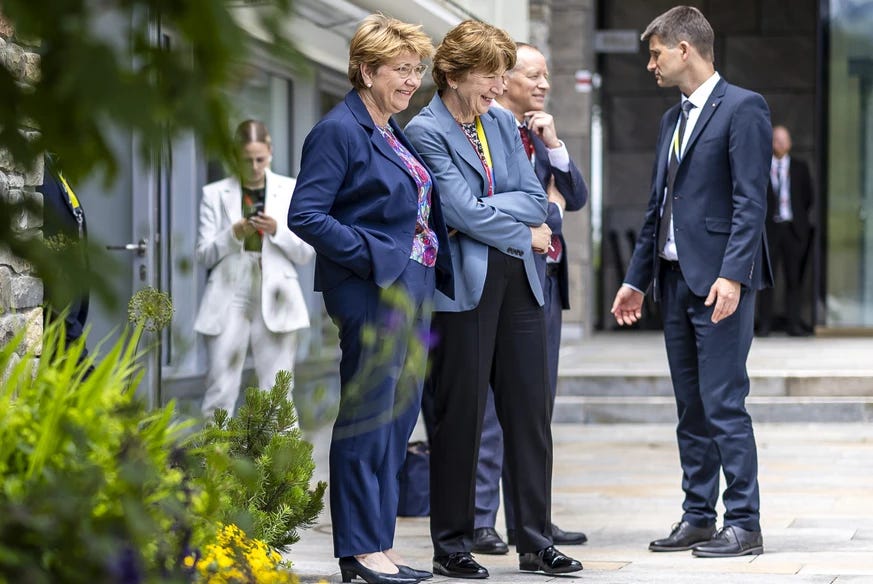
The Swiss Press Council officially reprimanded the NZZ for publishing a misleading article about the salary of Brigitte Hauser-Süess, former advisor to ex-Federal Councilor Viola Amherd.
The NZZ had sensationalized her earnings, claiming they surpassed those of the US president, but the Press Council ruled the report was factually distorted and lacked proper context.
The actual compensation was significantly lower and based on her previous salary structure.
It marks a rare public rebuke for one of Switzerland’s most respected newspapers.

Doctor denial
The Swiss Federal Office of Public Health’s plan to study the bureaucratic burden on doctors hit a wall when the FMH, the country’s main physicians’ association, threatened to boycott the project.
The FMH slammed the study’s methodology as flawed—citing unclear goals, regional bias, and poor timing due to a new tariff system rollout.
Critics accused the association of fearing an independent probe that could weaken its political leverage.
After tense negotiations, the study will proceed in May with minor tweaks, but results won’t land until 2027, leaving the battle over healthcare red tape as heated as ever.
Small but growing
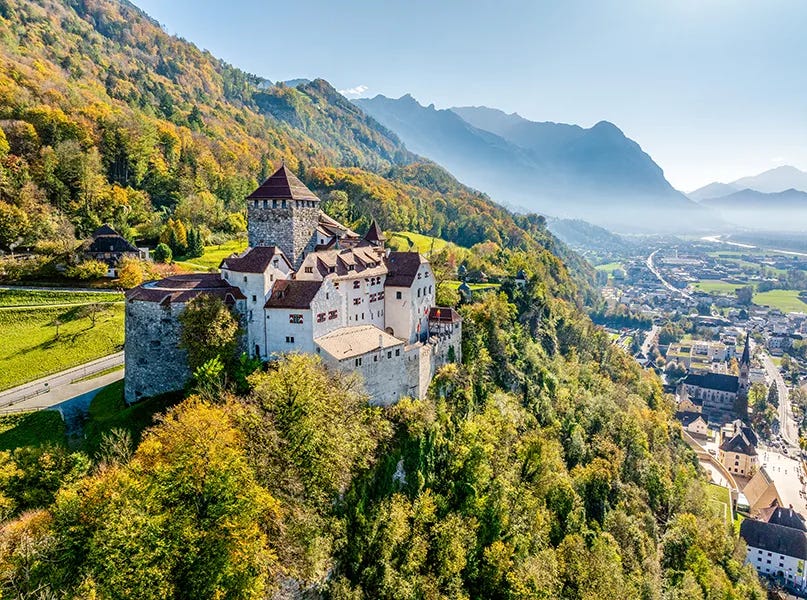
Switzerland’s smallest neighbour - Liechtenstein - is almost as powerful a banking center as the Helvetia Republic itself. Two cases in point…
Kaiser Partner Privatbank, the Vaduz-based private bank, posted a record net profit of CHF 12.2 million in 2025 — a 34.4% jump on the prior year. Assets under management rose 17.9% to CHF 9.7 billion, driven by CHF 1.49 billion in net new money.
The profit surge owed much to margin expansion rather than volume alone. Net interest income climbed 51% as interest expenses fell sharply, more than offsetting broadly flat interest income. Commission revenues grew a more modest 6.9% but remained the bank’s largest revenue line.
With a Tier 1 capital ratio of 26%, the bank enters 2026 from a position of considerable financial strength.
At the same time, Liechtenstein is getting a brand new bank…
Celsion Bank, based in Liechtenstein, has officially launched operations following the receipt of a full banking license in February 2026.
The bank, initially known as Celsion Finance, has undergone significant evolution, including a leadership overhaul.
Now led by Markus Federspiel, former CEO of Bendura Bank, the institution is positioned to serve financial institutions and institutional clients seeking access to digital assets.
💡 In detail
More involved insights - to the point…
Park and don’t ride
Cars might soon have a hard(er) time in Switzerland…
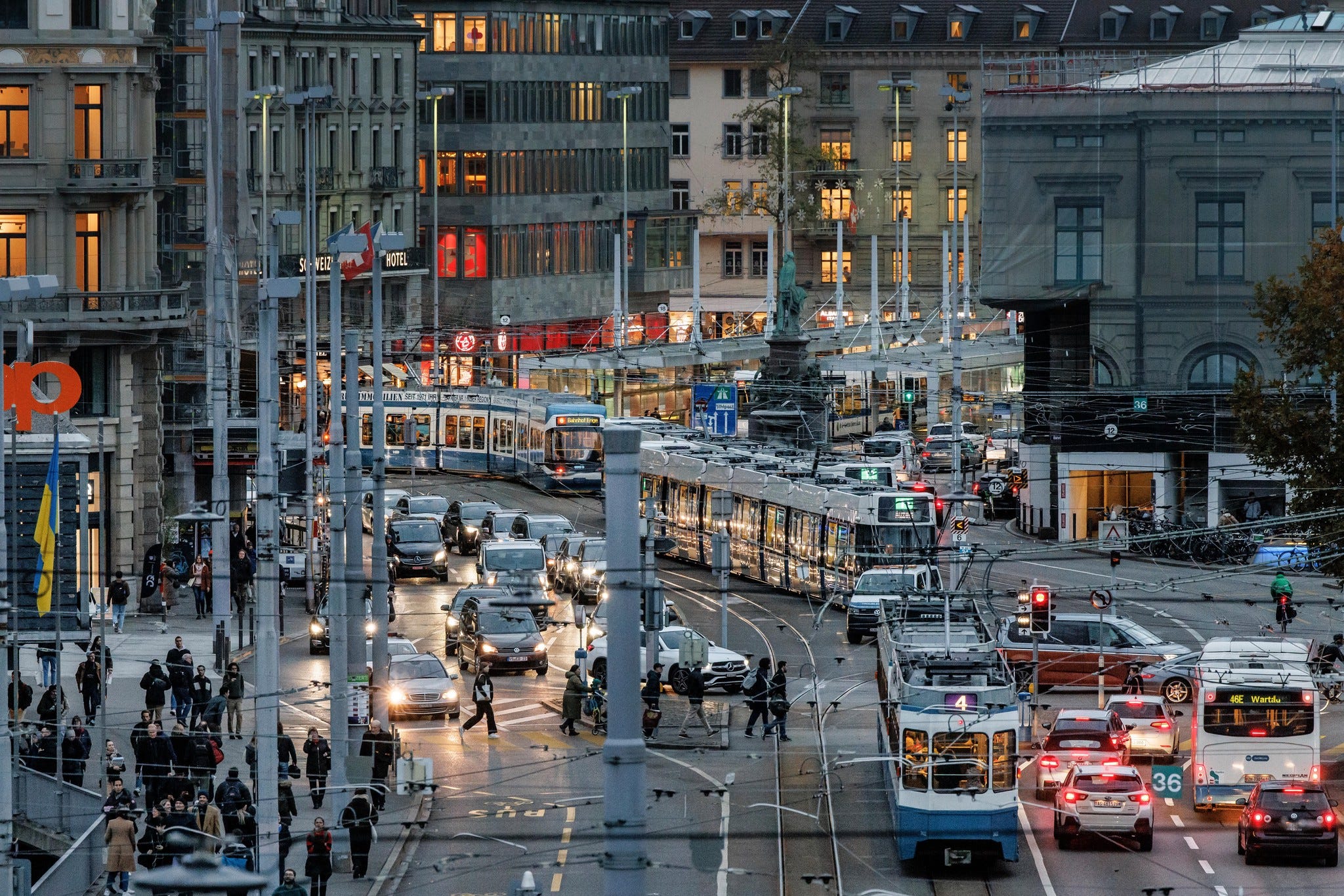
Facing renewed concerns over oil supply disruptions—this time triggered by geopolitical tensions in the Middle East—Switzerland’s Social Democratic Party (SP) is reviving the idea of car-free days.
SP National Councillor Martine Docourt has called on the Federal Council to establish a legal framework allowing cantons to implement such measures.
He argues that reducing dependence on fossil fuels is both an environmental and energy security imperative.
The proposal echoes Switzerland’s experience during the 1973 oil crisis, when the country introduced four car-free Sundays in response to fuel shortages caused by the Yom Kippur War.
Those days became impromptu public festivals, with pedestrians, cyclists, and families reclaiming car-free roads for leisure and community activities.
While the concept of car-free days has resurfaced periodically—most recently in the Glarus region, where the Klöntal recreational area will close to cars on three Sundays this year to alleviate over-tourism—legal and political hurdles remain.
A 2003 national referendum on introducing four car-free Sundays per year was overwhelmingly rejected, with opponents citing minimal environmental benefits and potential harm to commerce and tourism.
More recently, a similar initiative in Basel-Landschaft was deemed legally invalid, as current Swiss law restricts traffic bans to local, rather than cantonal or national, levels.
Proponents, however, argue that car-free days could improve quality of life by reducing noise, enhancing public spaces, and fostering community interaction—benefits that transcend mere fuel savings.
While Swiss voters are generally environmentally-sensitive, the use of all-out “bans” is generally viewed negatively.
Market dynamics have - so far - served Switzerland better.
Room for improvement
It would be easy to think that Switzerland is a perfect country. The evidence is substantial.
But one organization doesn’t necessarily agree…
The OECD’s latest report on Switzerland calls for a comprehensive set of competition and social reforms to bolster the country’s economic resilience and inclusivity.
The organization emphasizes the need to reduce state involvement in network industries—such as energy, transport, and telecommunications—to stimulate competition and innovation.
It also recommends easing regulatory hurdles, particularly in sectors like road transport, to encourage new market entrants and enhance competitiveness.
Harmonizing regulations across cantons is highlighted as a key measure to promote domestic competition and generate economies of scale, which could help sustain Switzerland’s high living standards amid growing budgetary pressures from demographic ageing, ecological transition, and defence requirements.
Beyond competition, the OECD underscores the importance of social reforms to ensure broader participation in the economy.
The report advocates for policies that improve workforce inclusion, particularly for women and immigrants, and calls for more affordable childcare to support mothers in pursuing careers.
It also stresses the need for a dynamic skills-training system and lifelong learning to address labour market challenges and maintain productivity.
While Switzerland has demonstrated resilience in recent crises, the OECD warns that structural reforms are essential to preserve its economic strength and social cohesion in the long term, especially as global uncertainties and domestic pressures mount.
The report also notes that Switzerland’s economic growth remains modest, with GDP expected to expand by just 1.2% in both 2026 and 2027.
In its opinion, swift action is needed to secure market access through new trade agreements and regulatory alignment with the EU.
The bigger question is - how much should one country trust the high-level recommendations of an organization that may or may not have its best interests at heart?
Time to change Switzerland’s “recipe for success” - or not?
More of this please...!
The Swiss Insider is dedicated to providing insights and intelligence that benefits its readers.
❓ What areas would you like to hear more about?
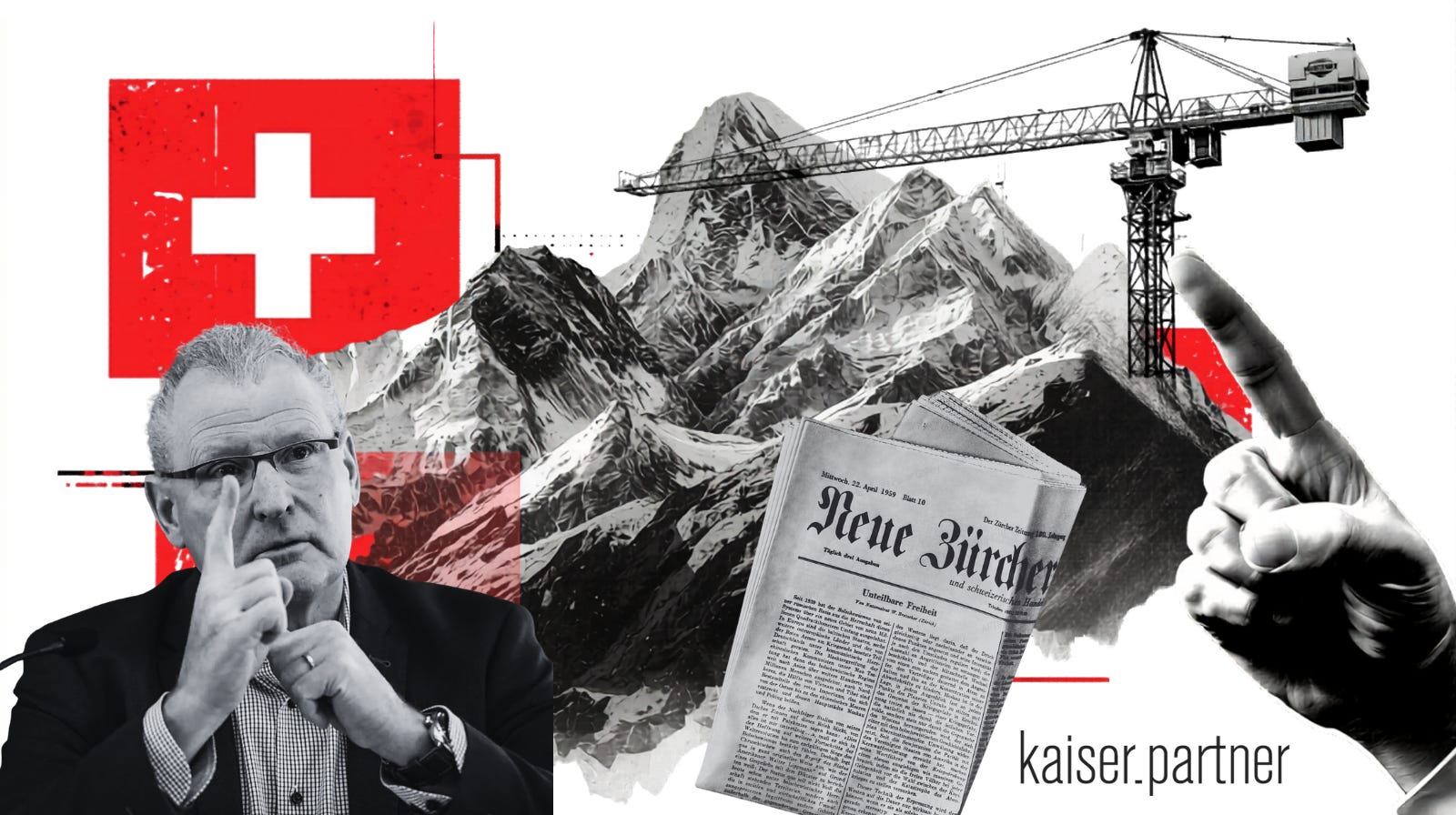
Person in the News: Heinz Tännler
Everyone knows the “Golden Rule” - He who has the gold makes the rules.
(At least that’s how it goes in the business world…)
In the Canton of Zug, the “man with the gold” holds the position of Finance Director. And he has plans for updating the canton’s rules.
What is in the works?
A radical solution to the canton’s housing shortage: the creation of so-called “white zones,” where most building regulations would be lifted to accelerate construction.
Under the plan, developers in these zones would face minimal restrictions—no mandatory setbacks, no height limits, and the ability to build at much higher densities.
Only basic safety standards, such as railing heights and material requirements, would remain in place.
The concept is designed to cut through the bureaucratic red tape that currently delays housing projects, sometimes for years, due to appeals and lengthy approval processes.
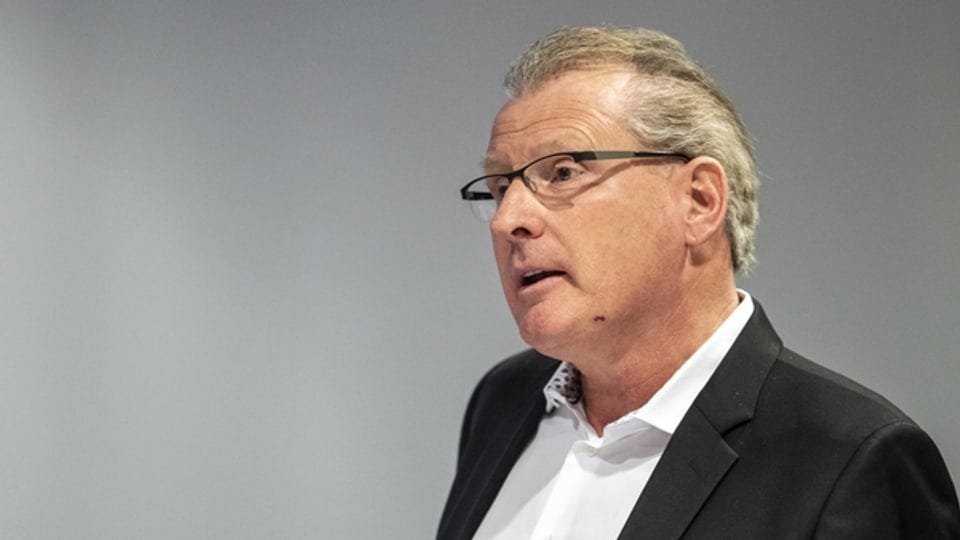
Heinz Tännler, the SVP Finance Director of Zug and a key proponent of the initiative, commissioned a study in 2024 that laid the groundwork for the white zones.
His motivation stems from Zug’s dramatic population growth—75% between 1981 and 2024—which has led to soaring rents and a severe shortage of buildable land.
Tännler’s approach reflects his long-standing advocacy for deregulation and market-driven solutions, positioning Zug as a pioneer in both economic and urban planning innovation.
The proposal is now part of the canton’s broader strategy to address housing shortages, though its implementation requires legislative changes and approval from both the cantonal parliament and affected municipalities.
Critics, including architects and environmental groups, warn that the plan risks creating a “Wild West” of unchecked development, potentially undermining architectural quality and urban planning standards.
However, supporters argue that streamlining regulations could unlock thousands of much-needed homes and attract investment, provided that basic safety and environmental norms are preserved.
Tännler deserves credit for tackling a growing problem head-on. Given its size, Canton Zug needs as much innovation as possible to keep the “growth engine” going.
Can the rest of Switzerland learn something?
By the numbers
Four numbers that matter to the Swiss economy this week
250 million CHF
French health giant Emeis is attempting to walk away from a signed CHF 250 million deal to sell its Swiss Senevita nursing home chain to Tertianum. The case now heads to court.
1.5%
Swiss home prices jumped - yet again - in March 2026, by an average of 1.5%. Single-family homes rose 4.6% year-on-year. The jump is largely attributed to the SNB’s decision to keep rates at 0%.
1/3
Around one-third of the world’s oil is traded through firms based in Geneva. The recent spike in prices and the volatile oil market is expected to bring in more than 500 million CHF in additional taxes for the canton.
3%
Swiss unemployment is holding at 3 percent as companies remain cautious amid global uncertainty, while officials expect short-time work to stay elevated and see AI as more likely to reshape jobs than destroy them.

And more
😔 Down in the pocket - Swiss consumer sentiment fell sharply by 12.5 points in March to its lowest level since early 2024, likely driven mainly by worries over the Middle East conflict and a more uncertain financial outlook. (Link)
🪙 Money museum - The Swiss National Bank has opened the Moneyverse visitor center in Bern to explain money and monetary policy to the public in an interactive, free-to-enter museum aimed especially at schools and younger visitors. (Link)
🚅 Rollback - Stadler Rail is withdrawing its appeal against SBB’s 200-train order after saying heavily redacted court documents did not provide enough transparency, leaving Siemens’ award in place. (Link)
📈 Insurance machine - Small, but powerful Swiss insurer PAX posted a strong 2025, with premiums rising 8.5% to CHF 965 million, equity up to CHF 860 million, and especially rapid growth in private and occupational pension business. (Link)